
1 min read
AI – How Can It Help Planning and Executing Well Intervention Jobs?
Updated 8 December 2025 There’s no doubt that there is a real buzz about AI, and have been for some time. Which...
3 min read
Updated 8 December 2025
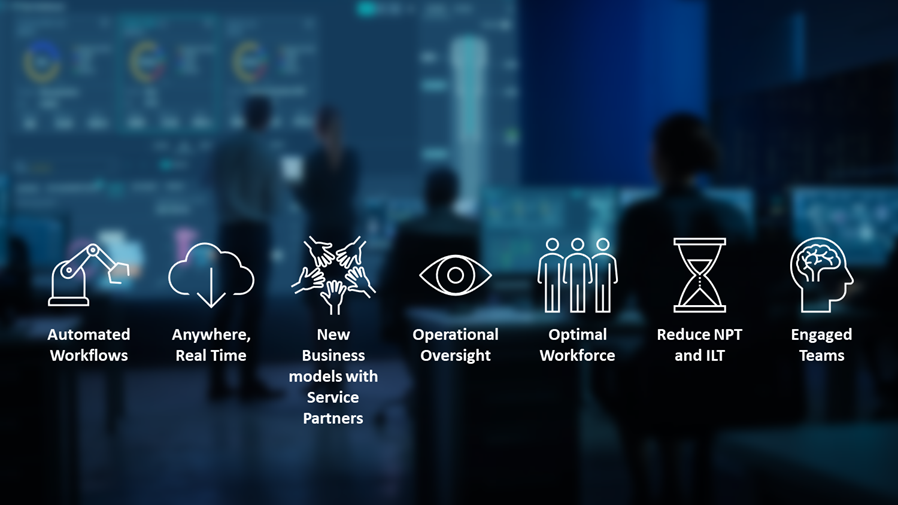
In today's rapidly evolving oil and gas industry, where efficiency and safety are paramount, harnessing the power of digital solutions has become a necessity. Companies worldwide are embracing digital technology to streamline operations, improve decision-making, and enhance overall performance.
In this article, we will explore how utilizing digital solutions can liberate the valuable time of your employees, allowing them to focus on critical risk analysis and leverage their years of experience to deliver more efficient wells and consistent well performance.

The oil and gas industry has long been known for its complex and multifaceted operations. From planning and drilling to well intervention and plug and abandonment (P&A) activities, these processes involve numerous variables, uncertainties and stakeholders.
Traditional approaches to these operations often relied heavily on manual data collection, face-to-face meetings, and paper-based reporting systems. This not only consumed valuable time but also introduced the risk of errors and inefficiencies.
Enter the era of digital solutions. With the advent of advanced technologies, companies can now harness real-time data and collaborative platforms to streamline their operations and achieve unprecedented levels of efficiency and safety.
Read more: How Real-Time Data and Digital Twins Drive Successful Execution
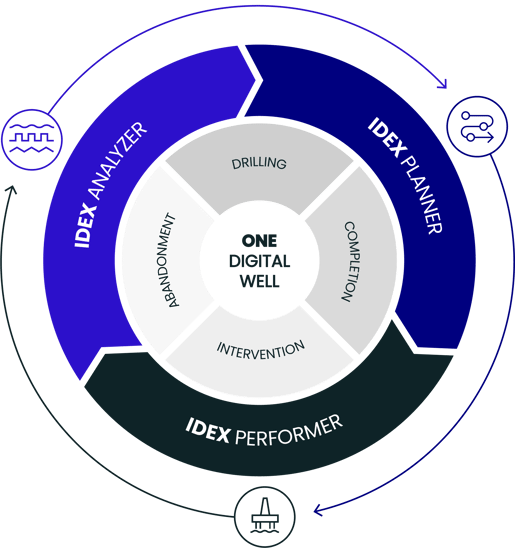
At the forefront of digital solutions in the oil and gas industry is the IDEX Collaboration Platform, a revolutionary tool offered by Stimline Digital. This platform has redefined the way energy companies operate by seamlessly integrating planned, and real-time data and collaborative capabilities into a single, unified ecosystem.
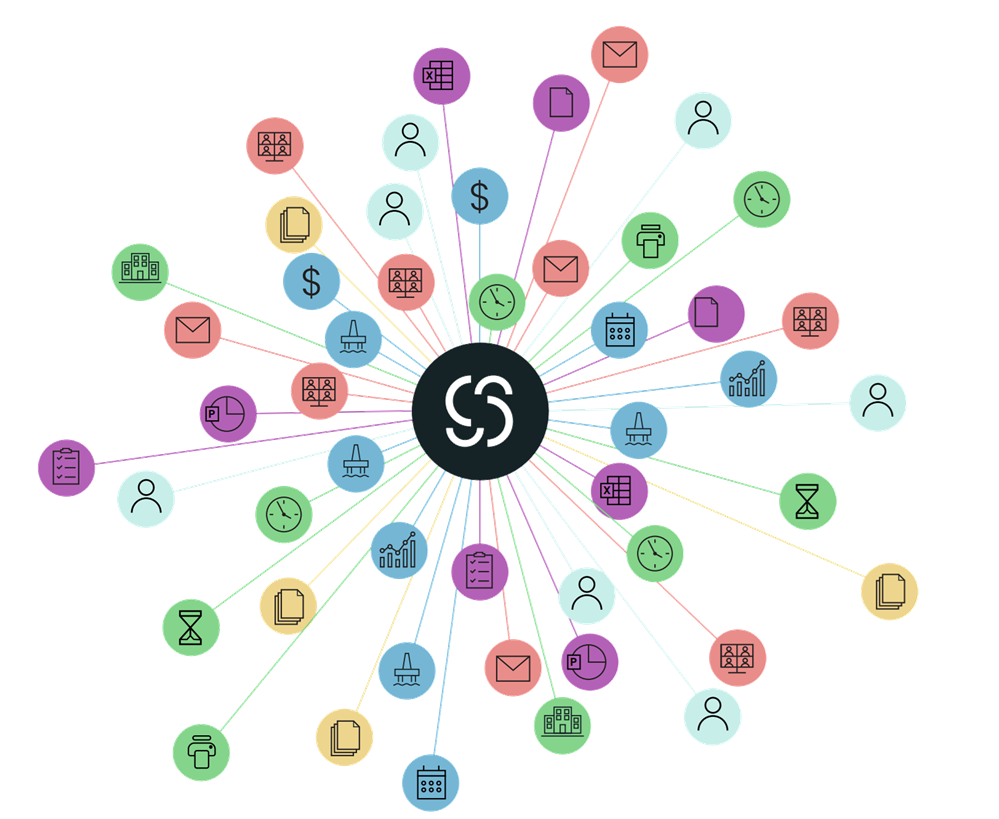
Eliminates inefficient email chains and unnecessary meetings
Enables rapid information sharing across disciplines
Keeps all stakeholders aligned throughout the operation
Operational plans can be updated instantly
Field and office teams stay synchronized
Contingency plans can be prepared, validated, and deployed within minutes
Real-time data enriches corporate knowledge bases
Lessons learned are captured automatically
Feedback loops between planning and execution are strengthened
All disciplines—drilling, completions, intervention, P&A—work from a shared platform
Everyone sees the same context and most recent data
Eliminates reliance on files “stored locally on someone's laptop”
Live operational KPIs, telemetry, trends, and deviations
Remote teams can support operations instantly
Improves HSE, efficiency, and operational stability
Experienced personnel can share insights directly on the platform
Less experienced team members can follow real-time guidance
Reduces onboarding time and improves operational consistency
Additional reading: End-to-End Software Solutions for Drilling and Wells - Buy vs Build
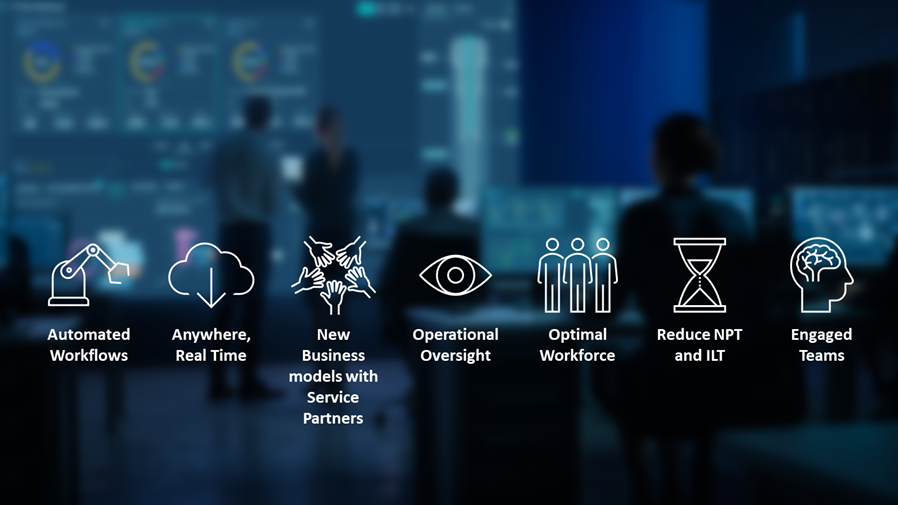
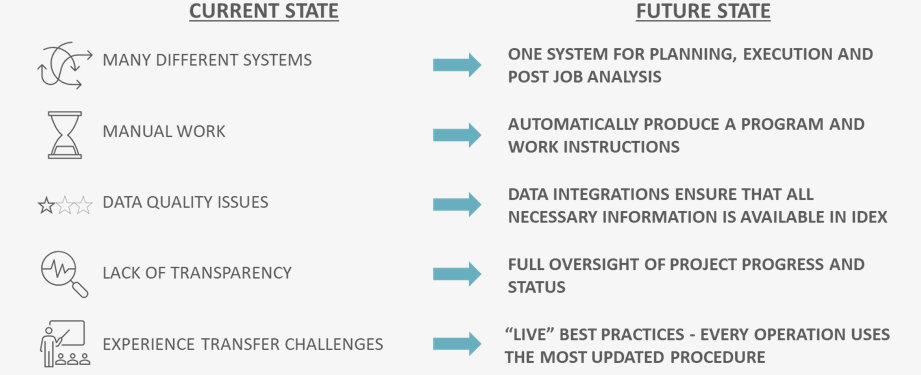
Real-time data is the lifeblood of modern oil and gas operations. It provides a dynamic and up-to-the-minute view of critical parameters, enabling faster and more informed decision-making. Whether you're involved in planning, drilling, well intervention, or P&A, real-time data empowers your workforce to make proactive adjustments and optimize performance.
Real-time data allows for the immediate identification of deviations from the plan. Whether it's unexpected down-hole conditions, equipment malfunctions, or weather-related issues, teams can respond swiftly, minimizing downtime and costly delays.
With real-time data, you gain the ability to fine-tune operations, optimize equipment usage, and minimize energy consumption. This not only improves operational efficiency but also reduces the environmental footprint, aligning with sustainability goals.
Real-time data provides a solid foundation for data-driven decision-making. It empowers your team to analyze performance metrics, compare them to industry best practices, and make informed choices that drive efficiency and safety.
Historical data is invaluable for planning and executing oil and gas operations. By continuously collecting and storing data, you can access insights from previous jobs, identify trends, and apply lessons learned to future projects. This iterative approach enhances performance over time.
Valuable insights can be generated in seconds, giving the entire team the luxury of having the most updated, accurate and formatted documents that will facilitate documentation preparation and closure.
Check out this success story: IDEX Case Study - Aker BP Overcomes Operational Challenges Using IDEX
Digitalization is reshaping the future of well intervention, drilling, completions, and P&A. By leveraging real-time data, transparent collaboration, and integrated planning tools, operators can:
The IDEX Collaboration Platform stands out as a transformative solution, uniting people, data, and workflows into one ecosystem.

1 min read
Updated 8 December 2025 There’s no doubt that there is a real buzz about AI, and have been for some time. Which...

1 min read
Updated 8 December 2025 The idea of a fully digital well, where data flows seamlessly across planning, execution...

1 min read
Updated 8 December 2025 In today’s upstream environment, success in drilling, completion, well intervention, and...