
Can Well Intervention Be Digitalized?
 Tom Fedog : Apr 7, 2022, 9:00:00 AM
Learn how well intervention can be digitalized through connected planning, execution and post-job analysis, with practical adoption considerations.
4 min read

Updated 6 November 2026
Real-time data helps well teams compare actual conditions with the operating plan and coordinate decisions while a job is running. It is useful when offshore crews and onshore specialists need the same operational picture. For example, shared pressure, temperature and flow measurements can reveal deviations for review. Digital twins add context, but their usefulness depends on reliable inputs and clearly understood model limits.
Subscribe for practical insights on digital well operations
The convergence of cloud collaboration, AI-driven analytics, and digital twins is redefining operational execution — turning raw measurements into actionable insight, improving safety, efficiency, and sustainability.

Real-time data refers to continuous measurements captured from surface and downhole sensors — such as pressure, temperature, torque, flow rates, or energy consumption — and transmitted instantly to decision-makers.
These data streams make it possible to detect anomalies, predict risks, and adapt operations dynamically.
Common examples of deviations managed through real-time data include:
Unexpected downhole conditions (e.g., formation damage or debris)
Equipment malfunctions or performance degradation
Variations in mud weight, pump efficiency, or pressure regimes
When structured and visualized in a shared cloud-based environment, this information provides a single source of truth for all stakeholders — from offshore operators to onshore engineers.
Read more: How to Automatically Track and Report all Activities and NPT Events for Wireline Jobs
In traditional operations, decisions often move slowly up the chain of command, involving multiple disciplines, reviews, and approvals. This delay can lead to inefficiencies, downtime, and increased NPT.
By contrast, real-time data platforms enable immediate insight and collaboration across locations and teams:
Onshore subject matter experts can supervise multiple wells simultaneously
Offshore crews receive direct guidance based on live parameters
Automated workflows flag deviations and suggest responses
Managers gain visibility into operational KPIs in real time
This transforms problem-solving from reactive to proactive, with decisions made faster, based on a common, verified data set.
While data collection has always been a part of oil and gas operations, data accessibility and consistency have long been challenges. Raw data alone is rarely useful; it needs context, filtering, and structured interpretation.
Historically, fragmented systems and manual reporting led to:
Lost or duplicated data
Delayed analysis and slow response times
Misinterpretation or inconsistent reporting
Even well-intentioned workflows struggled to align decision-makers around a shared, accurate picture of what was happening. The result: inefficiency, higher OPEX, and unnecessary risk.
The modern answer is integrated, collaborative software that ensures everyone sees the same structured view, enabling smarter, faster, and safer decisions.
Read more: How to Optimise Well Completion with a Collaborative Software Solution
Historical data remains critical for planning and de-risking, but in 2025 it plays a far more dynamic role. When combined with real-time streams, digital twins can simulate current and future performance, supporting predictive maintenance and scenario testing.
A digital twin is a virtual model of a physical asset or process, such as a well, field, or rig, continuously updated with live data. This enables teams to:
Simulate “what-if” scenarios before taking action
Predict failures or performance thresholds
Optimize production and equipment utilization
According to EY’s Digital Twins in Energy report (2025), over 50% of oil and gas operators now use digital twin technology in at least one operational domain.
The global digital twin market for energy surpassed USD 1.2 billion in 2024, growing at over 11% CAGR through 2034, according to Global Market Insights (2025).
Read more: What are the Benefits of a Totally Integrated Digital Planning and Execution package?
Real-time data enables teams to detect and resolve issues before they escalate. Continuous visibility into drilling and completion parameters allows for instant optimization of weight on bit, rate of penetration, and hydraulic performance.
By making decisions based on live information rather than delayed reports, operators can significantly reduce non-productive time (NPT) and improve asset utilization. Predictive maintenance becomes easier, helping avoid equipment downtime and unnecessary mobilization of resources offshore.
The result is faster execution, lower operational costs, and a shorter well delivery timeline, all achieved without compromising safety or quality.
Better insight into equipment behavior leads directly to more sustainable operations. When surface systems and downhole tools are monitored continuously, their operating time and load can be adjusted precisely to meet current needs.
This helps reduce energy and fuel consumption, minimize chemical usage, and extend the lifespan of mechanical components. Over time, such data-driven adjustments contribute to both lower OPEX and reduced emissions, aligning operational efficiency with environmental goals.
In complex well operations, risk is often tied to uncertainty and incomplete information. Real-time data provides a single, accurate view of the situation, shared across offshore crews, onshore experts, and management.
Automated alerts and visual dashboards ensure deviations are identified quickly, while contextualized data supports better root-cause analysis. This approach improves not only the speed of decision-making but also its quality, enabling more confident, proactive, and transparent operations.
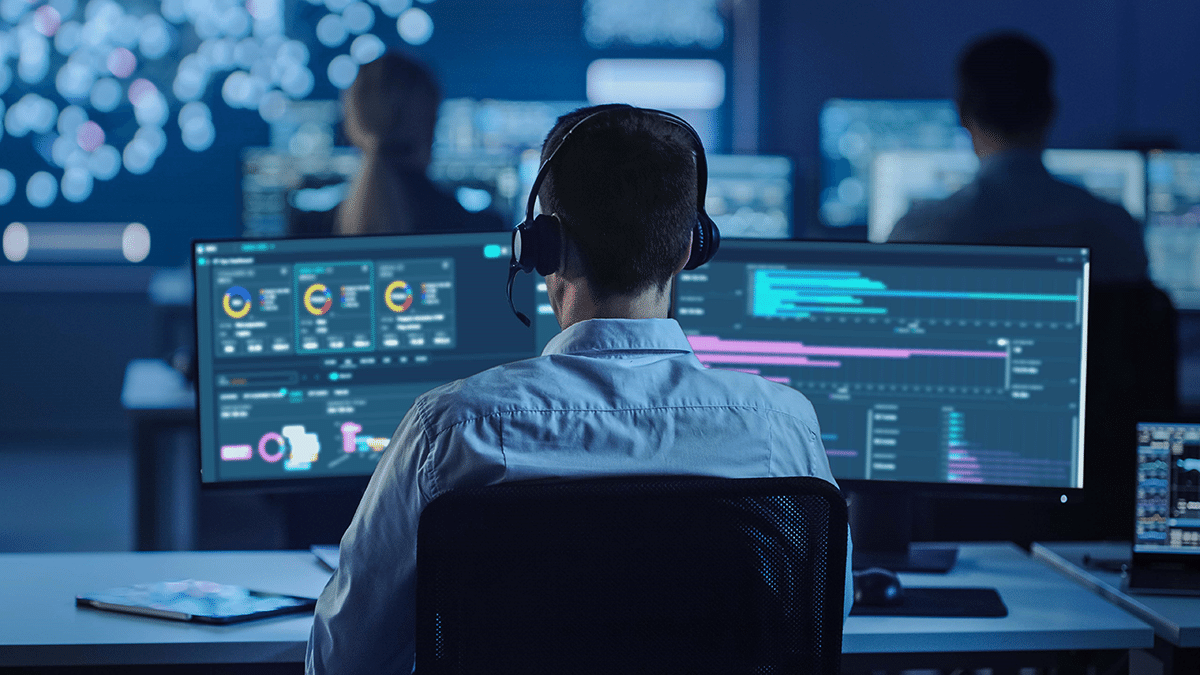
The effective use of real-time data, combined with AI analytics and digital twin technology, is no longer a differentiator but a necessity for modern well operations. It strengthens decision quality, reduces operational risk, cuts emissions, and drives OPEX efficiency across the entire well lifecycle.
By ensuring all stakeholders access the same contextualized, live information, organizations can move from reactive management to data-driven execution — achieving more with less, faster, and safer.
Real-time data consists of continuous measurements from surface and downhole sensors, such as pressure, temperature, torque, and flow rates, transmitted instantly to decision-makers. It helps identify anomalies, adapt operations dynamically, and maintain a shared situational picture across teams.
By providing a live, verified view of operational parameters, real-time platforms reduce delays associated with traditional decision chains. Onshore experts can support multiple wells, automated workflows flag deviations, and offshore teams receive immediate guidance, resulting in faster, more accurate decisions.
Historically, fragmented systems, manual reporting, and inconsistent data formats led to delays, duplicated information, and misinterpretations. Without structured, accessible data, teams struggled to align around a shared understanding of operational conditions.
Digital twins use both historical and real-time data to create continuously updated virtual models of wells, rigs, or processes. They enable scenario testing, predictive maintenance, and performance optimization—helping teams anticipate failures, test “what-if” cases, and improve planning accuracy.
Live visibility helps teams detect issues early, optimize drilling parameters, reduce NPT, and support predictive maintenance. Continuous monitoring also helps lower energy usage, chemical consumption, and equipment wear. Sharing a single, accurate data view improves risk management and decision quality across all stakeholders.
Cloud-based collaboration ensures that offshore crews, onshore engineers, and managers all work from the same live, contextualized information. This eliminates miscommunication, speeds up responses, and supports safer, more efficient, and more sustainable execution.
 Tom Fedog : Apr 7, 2022, 9:00:00 AM
Learn how well intervention can be digitalized through connected planning, execution and post-job analysis, with practical adoption considerations.
Explore five ways to reduce avoidable well intervention problems through stakeholder alignment, trusted data, risk review and connected procedures.
See how collaborative software connects completion designs, revisions, approvals and execution information to reduce manual coordination and rework.