
How to Plan and Execute P&A with Collaborative Software
Explore how collaborative software supports P&A planning, coordination and execution records across teams, vendors and well campaigns.
6 min read

Updated 6 November 2026
Digitalization can help address HSE risks linked to fragmented information, poor handovers and lost operational knowledge. It is most useful when teams need a shared view of well history, approved procedures and changing conditions. For example, a common operational workspace can make the same program and risk information available to onshore and offshore teams. Technology supports the people responsible for managing risk.
Subscribe for practical insights on digital well operations
These situations are becoming more common as operations grow more complex and technology evolves faster. If organizations do not learn efficiently from experience, and transfer that knowledge into daily operations, gaps will appear. Those gaps often show up as health, safety and environmental (HSE) risk.
The good news is that modern, collaborative digital solutions can help. When used correctly, they act as a digital assistant to operations, strengthening human decision-making and helping prevent incidents before they occur.
In this article, we explore typical causes of HSE incidents in oil and gas, and how digitalization can mitigate them.

Despite decades of progress in safety management, HSE incidents remain a concern and a cost driver for the industry. Most major accident investigations point to human factors, such as miscommunication, poor handover, or weak situational awareness, as key contributors, even when technical failures are involved.
We have strong processes: toolbox talks, permit-to-work systems, safety meetings, JSA/TRA, and rigorous procedures. These measures have undeniably reduced incident rates offshore. Yet the industry itself is a moving target:
New technologies and tools are introduced at high speed
Assets age and conditions change
Workforce demographics shift, with experienced personnel retiring
Data volumes grow faster than most organizations can consume
Traditional HSE methods, based on static procedures, periodic reviews and manual reporting, struggle to keep pace with this dynamic environment.
Read more: Revolutionizing Oil and Gas: Digital Solutions, Efficiency, and IDEX Collaboration Platform
It is rarely one single root cause that drives an incident. More often, a chain of small weaknesses align. Many of these weaknesses are well-known and recurring:
Miscommunication and poor information flow: Misaligned understanding between offshore and onshore teams, unclear responsibilities, or incomplete handovers.
Complacency and repetitive tasks: When tasks feel routine, people may rely on habit instead of actively evaluating risk.
Inexperience with new tools and technology: New equipment, new vendors and new procedures can introduce failure modes that are not yet well understood.
Unknown or evolving well conditions: Wells are dynamic systems; conditions may have changed significantly since the last intervention or entry.
Decentralized and inaccessible knowledge: Valuable lessons sit in PDFs, emails, local folders or the heads of a few experts, making it hard to apply them consistently.
Traditional HSE initiatives have done a great job of mapping communication chains, defining responsibilities and introducing safer work practices. However, as operations become more data-rich and technology-intensive, we need new ways to capture and apply knowledge at scale.
Digitalization, particularly cloud-based collaboration, real-time data, and AI-driven analytics, offers exactly that.
Read more: Top Five Methods to Avoid Problems During Well Intervention
One of the biggest reasons digitalization will be central to HSE in the coming years is the accelerating introduction of new technologies. Every new tool, workflow or automation can both reduce and introduce risk. Without a robust way to learn quickly from real operations, organizations risk a “knowledge vacuum” as technology moves faster than their safety systems.
At the same time, platforms and rigs now generate more data than ever:
Real-time sensor data from wells, equipment and control systems
Operational logs and performance data
Digital reports and manual inputs from the field
This data is extremely valuable for HSE, but only if it can be centralized, structured and turned into insight. Traditional, manual methods for reviewing incidents, updating procedures and sharing lessons learned are simply not scalable for the volume of data we now see.
To move HSE performance to the next level, digital solutions must do more than store data. They must:
Consolidate and centralize knowledge
Understand operational context
Provide timely, meaningful decision support
Below are key ways modern digital platforms can reduce or prevent HSE incidents in practice.
In many organizations, critical HSE-relevant information is spread across:
Local spreadsheets
Email threads
PDFs from service companies
Legacy systems and isolated databases
A collaborative, cloud-based platform can bring this into a single operational view. For a given well, operation or work package, users see the same:
This reduces miscommunication and ensures that everyone, from control room to offshore crew, operates from the same understanding.
To truly reduce incidents, the system must not only store data, but also interpret it in context:
What operation is being performed right now?
Under what conditions (pressure, temperature, depth, equipment)?
What similar operations have been done before, and what went wrong, or right?
Using this context, a digital system can provide:
Early warnings based on predefined limits and patterns
Suggestions drawn from previous wells with similar conditions
Reminders of critical barriers or procedural steps before high-risk tasks
In effect, the software becomes a digital safety coach that supports, rather than replaces, the human supervisor.
Digitalization allows organizations to encode their best practices directly into operational workflows:
Digital procedures and checklists that adapt to conditions
Automated step confirmations and verifications
Integrated permit-to-work and risk assessment workflows
This reduces variability between crews, shifts and vendors. It also makes it easier to update a procedure once and have that change reflected everywhere, instead of relying on people to manually replace old versions.
Real-time data is critical for HSE because it provides a live view of risk:
Pressure and flow deviations
Equipment behavior and alarms
Barriers approaching defined limits
When this data is integrated into a digital HSE environment, organizations can:
Detect anomalies earlier and respond faster
Perform root-cause analysis more effectively
Identify patterns across multiple wells or fields
Historical data, in turn, helps improve planning and risk assessment before the next operation. It ensures that lessons from previous jobs are not lost in archived PDFs, but are actively used to improve future safety performance.
As experienced personnel retire or move on, organizations risk losing decades of tacit knowledge. Digital platforms can help by:
Capturing expert insights as annotations, lessons learned and decision rationales
Making these insights searchable and available within the operational context
Providing new engineers with guided views, recommended actions and relevant historical cases
This not only reinforces safety, but also shortens the time it takes for new team members to become fully effective.
Studies on automation and human factors show that the best outcomes appear when technology is used to support humans, reducing exposure to hazardous tasks and helping people make better decisions, rather than simply trying to replace them.
Read more: Thank Goodness We Decided That Openness Is The Way Forward
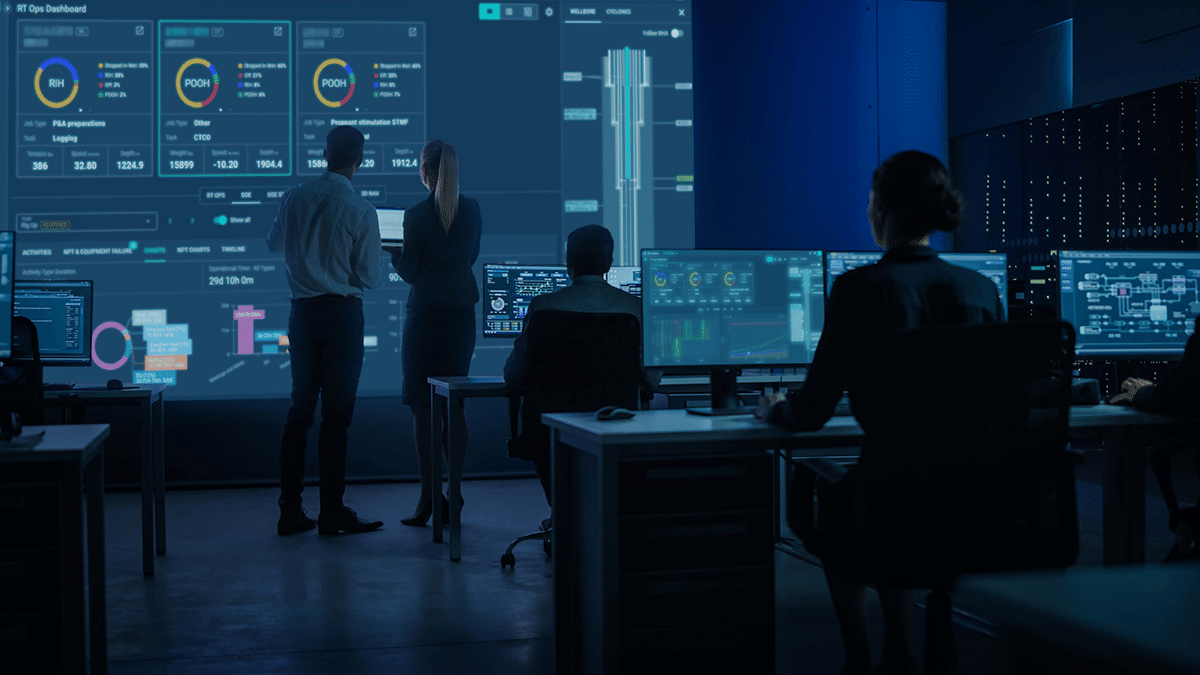
Mitigating HSE risk is, to a large degree, about addressing the human tendencies that cause incidents: miscommunication, complacency, incomplete knowledge transfer and fragmented information.
By letting a collaborative digital solution handle much of the “talking”, integrating data, surfacing insights and providing timely warnings, organizations can:
Strengthen supervision and situational awareness
Learn more from every operation
Understand new equipment and tools faster
Support both experienced and new personnel in making safer decisions
Digitalization will not replace the need for strong leadership and safety culture. But it will increasingly define how effectively that culture is practiced in the field.
Most HSE incidents stem from human factors such as miscommunication, incomplete handovers, complacency in repetitive tasks, unfamiliarity with new tools, evolving well conditions, and fragmented organizational knowledge. These small weaknesses often combine to create larger risks.
Digitalization centralizes information, improves communication, and ensures teams operate from a shared, up-to-date understanding of the well and operation. It helps organizations detect deviations sooner, reduce variability, and make better decisions by combining real-time data with historical insights and contextual guidance.
Real-time data provides a live view of risk, showing pressure trends, equipment behavior, alarms and barrier status as they develop. This allows teams to respond earlier, prevent escalation, and perform more effective root-cause analysis while improving planning for future operations.
Digital platforms store expert insights, lessons learned, decision rationales and historical cases in a searchable, contextual format. New engineers can access guidance directly within the workflow, reducing onboarding time and ensuring critical knowledge does not disappear as experienced personnel retire or move on.
Context-aware tools interpret what operation is being performed, under which conditions, and how similar situations have unfolded in the past. Based on this, they can issue targeted warnings, highlight relevant barriers, and recommend safe actions, acting as a digital safety coach to support supervisors in real time.
Start with a defined handover or information problem. Agree on data quality, responsibilities and success criteria, then run a focused trial with the people who will use the workflow. Review its effect alongside existing HSE processes before expanding the scope.
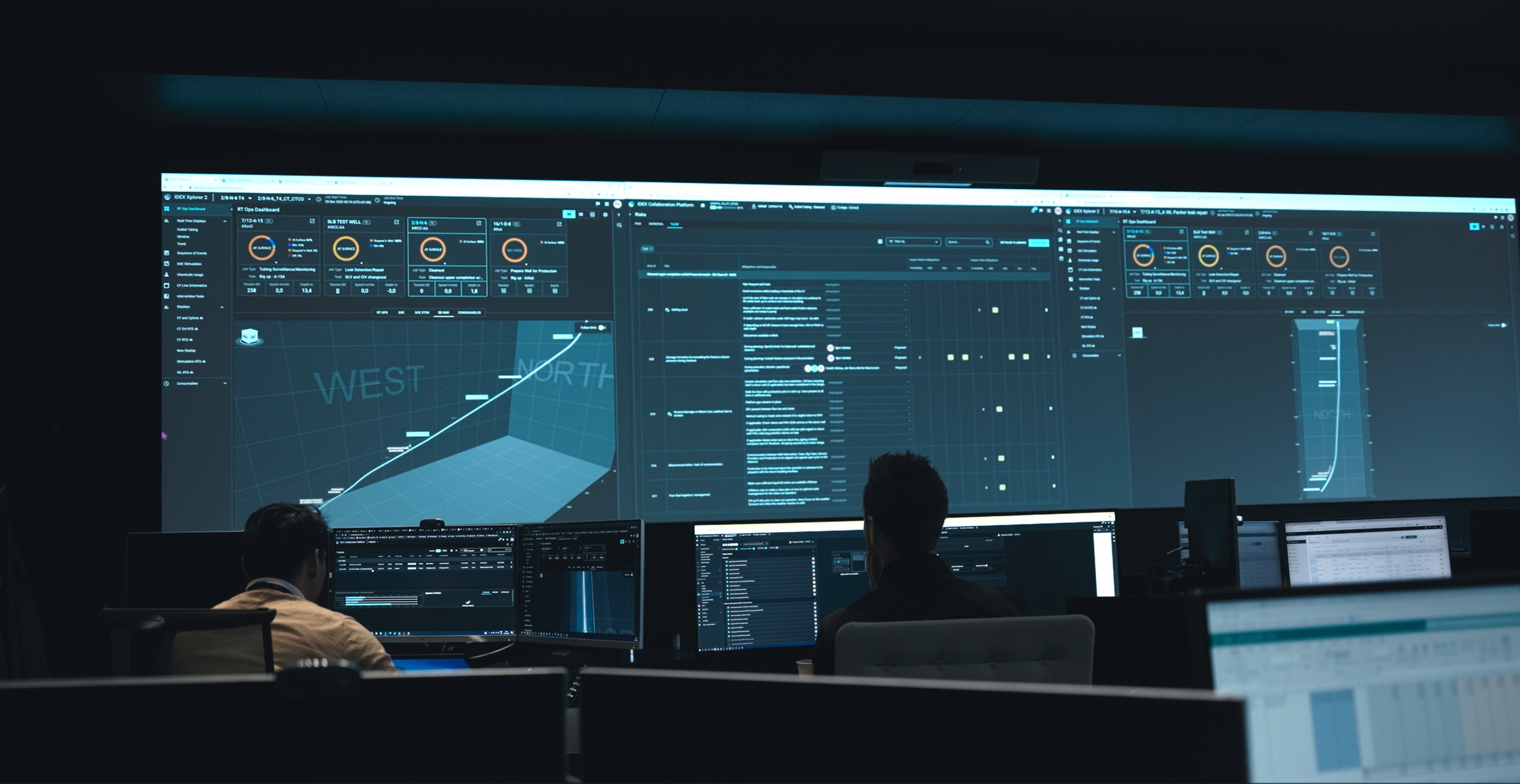
Explore how collaborative software supports P&A planning, coordination and execution records across teams, vendors and well campaigns.
Explore electrification, equipment use, logistics and digital planning as ways to reduce offshore operational emissions. Review the conditions that...
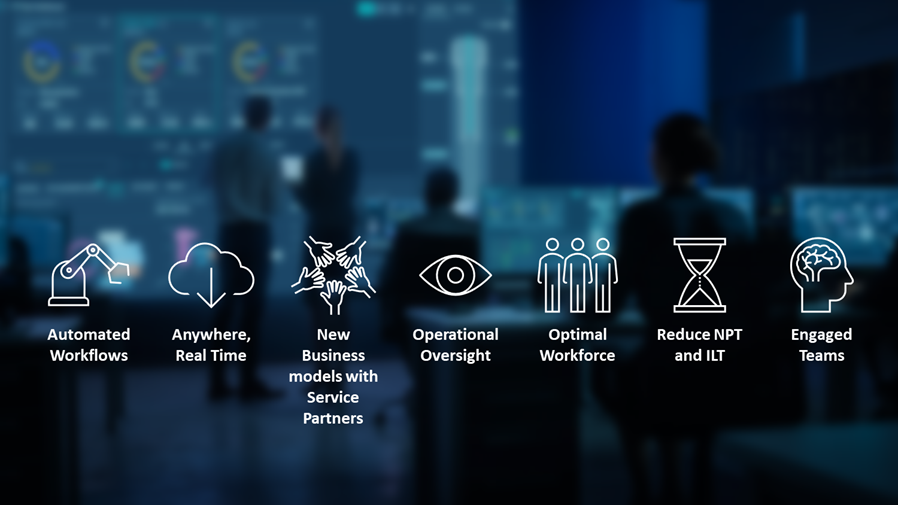
Explore how IDEX connects planning, real-time data and post-job reporting. See examples of shared communication, operational visibility and learning.