
Levels of Automation in Coiled Tubing and Wireline
Understand automation levels for coiled tubing and wireline. Compare human control, supervision and exception handling before selecting a system.
3 min read

Updated 6 November 2026
Electrification and automation can reduce wireline and coiled tubing operating costs through more precise control, fewer manual tasks and better use of operational data. The opportunity depends on equipment, power supply and the work scope. For example, electric drives and configured tension limits can support consistent movement control. Evaluate fuel use, downtime, maintenance and personnel requirements against a defined operational baseline.
Subscribe for practical insights on digital well operations
Two of the most critical tools for this purpose are wireline and coiled tubing units. In this article, we’ll look at how these systems are evolving, and how electrification, automation, and digitalization are transforming operations, improving safety, and significantly reducing costs.

Wireline and coiled tubing are both vital for well intervention, helping operators maintain production efficiency and resolve issues such as blockages, sand accumulation, or valve malfunctions.
Wireline systems use cabling to lower gauges, plugs, and valves into boreholes Unlike coiled tubing, wireline systems cannot pump fluids and are typically limited to shallower depths (around 1,000 meters). Their smaller diameter cable makes them more delicate and more prone to breakage under high tension.
Coiled tubing systems are used for deeper and more dynamic operations, often exceeding 8,000 meters in range. They can pump fluids, perform chemical washes, clear blockages, and even carry out cementing and stimulation jobs.
Traditionally, both systems were powered by diesel engines and hydraulic systems and operated manually. Each switch, valve, and spool was handled physically by personnel, often under challenging offshore conditions.
Digitalization and electrification are changing that.
Read more: How to automatically track and report all activities and NPT events for wireline jobs
The shift from mechanical to electric and automated systems is the foundation of the modern digital wellsite.
Electric motors provide higher accuracy, faster response times, and precise control compared to hydraulic systems.
Operators can now instantly halt movement when tension thresholds are exceeded, reducing the risk of wire breakage and equipment damage.
Automation allows complex algorithms to monitor and control wireline or coiled tubing operations in real time, maintaining safe parameters, improving repeatability, and minimizing human error.
As one engineer put it, the transition from manual control to automated execution is like moving from a horse and carriage to a Tesla.
While electrification and automation improve control, digitalization connects the data. By integrating a software solution that captures, analyzes, and visualizes data from surface and downhole equipment, operators gain true decision support and remote operational capabilities.
Digital platforms enable:
Job modeling and predictive analysis before execution
Real-time monitoring and control with combined surface and downhole data
Remote oversight and expert support from onshore centers
Data-driven optimization through continuous learning and performance feedback
Together, these technologies create a closed-loop digital ecosystem, where every job improves the next.
Read more: End-to-end software solutions for drilling and wells - buy vs build
Digitalization, electrification, and automation have measurable economic and environmental benefits. Here’s how they lower overall operational costs and risks:
Reduced offshore staffing:
Remote control and monitoring minimize the need for large on-site crews, improving safety and lowering personnel costs.
Improved safety and maintenance:
Automated systems reduce manual intervention, lowering the risk of accidents and costly “clean-up” operations.
Fewer operational failures:
Precision control and predictive maintenance reduce equipment stress and prevent downtime, maximizing well uptime.
Lower emissions:
Electrified systems dramatically cut diesel consumption, contributing to lower CO₂ emissions and aligning with corporate sustainability targets.
In short, automation doesn’t just make operations smarter — it makes them safer, greener, and more profitable.
Electrification and automation are reshaping how wireline and coiled tubing operations are performed. When combined with digital software for data integration and decision support, they enable a new operational model — one defined by real-time insight, remote collaboration, and continuous improvement.
The results are clear:
Lower operational costs
Fewer safety risks
Reduced environmental footprint
Higher overall efficiency
This is not just evolution — it’s the foundation for next-generation well operations.
They support regular maintenance and intervention, helping operators address production issues such as blockages, sand buildup, valve failures, and other conditions that affect well efficiency and lifespan.
Wireline uses cable-deployed tools for shallower, non-pumping tasks and is more delicate under high tension. Coiled tubing allows deeper operations, fluid pumping, chemical washes, blockage removal, and stimulation work.
Electrified systems provide higher precision, faster response times, and improved control. Operators can instantly stop movement when tension thresholds are reached, reducing wire breakage, equipment damage, and associated downtime.
Automation maintains safe parameters in real time, increases repeatability, minimizes human error, and reduces the need for manual control. This results in fewer failures, safer operations, and lower staffing requirements offshore.
Digital platforms integrate surface and downhole data, support predictive modeling, enable real-time monitoring, and allow remote oversight from onshore teams, driving continuous optimization and better decision-making.
They lower staffing needs, reduce equipment failures, enhance safety, cut diesel use and emissions, and enable predictive maintenance, resulting in safer, greener, and more efficient operations.

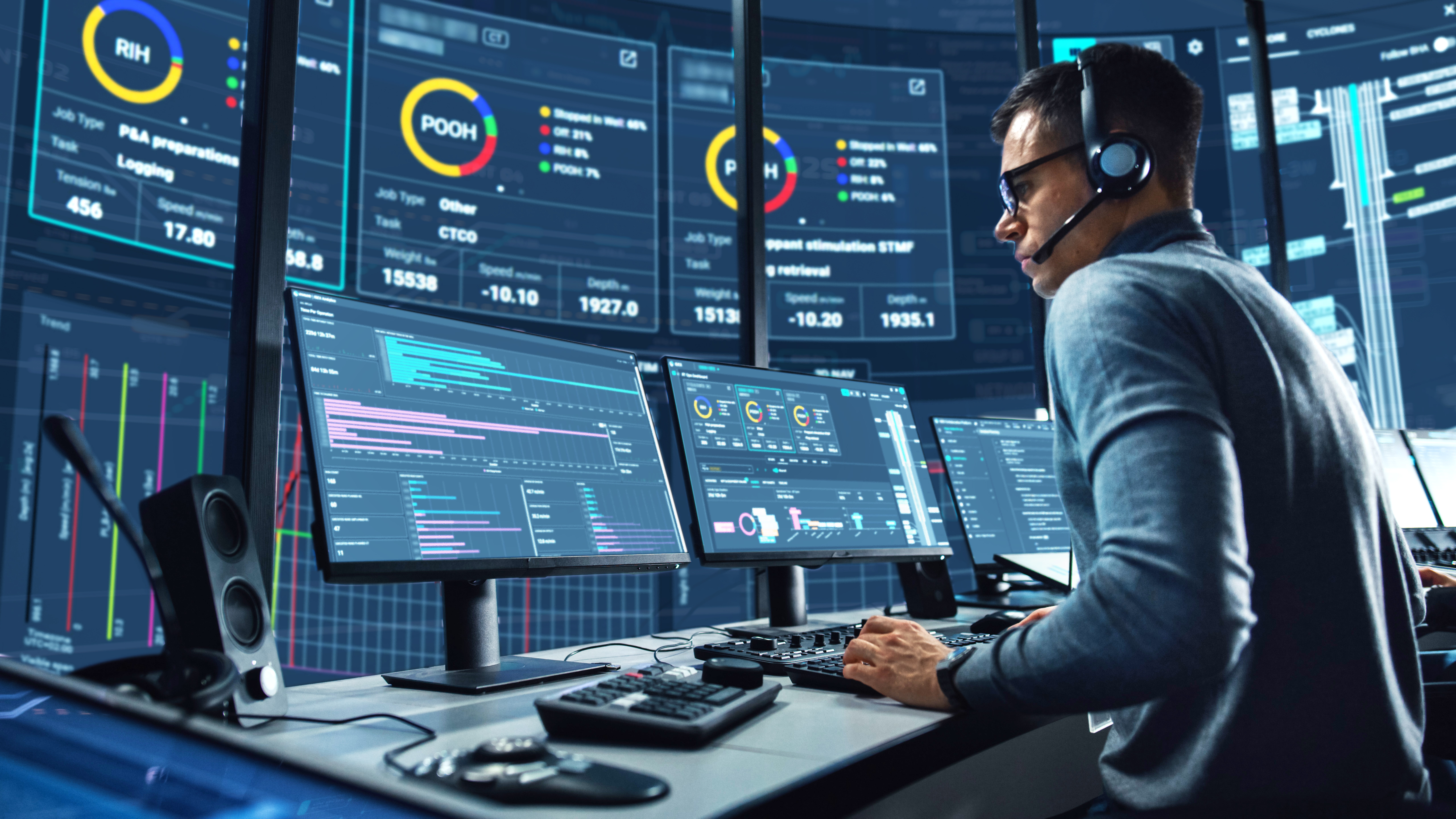
Understand automation levels for coiled tubing and wireline. Compare human control, supervision and exception handling before selecting a system.
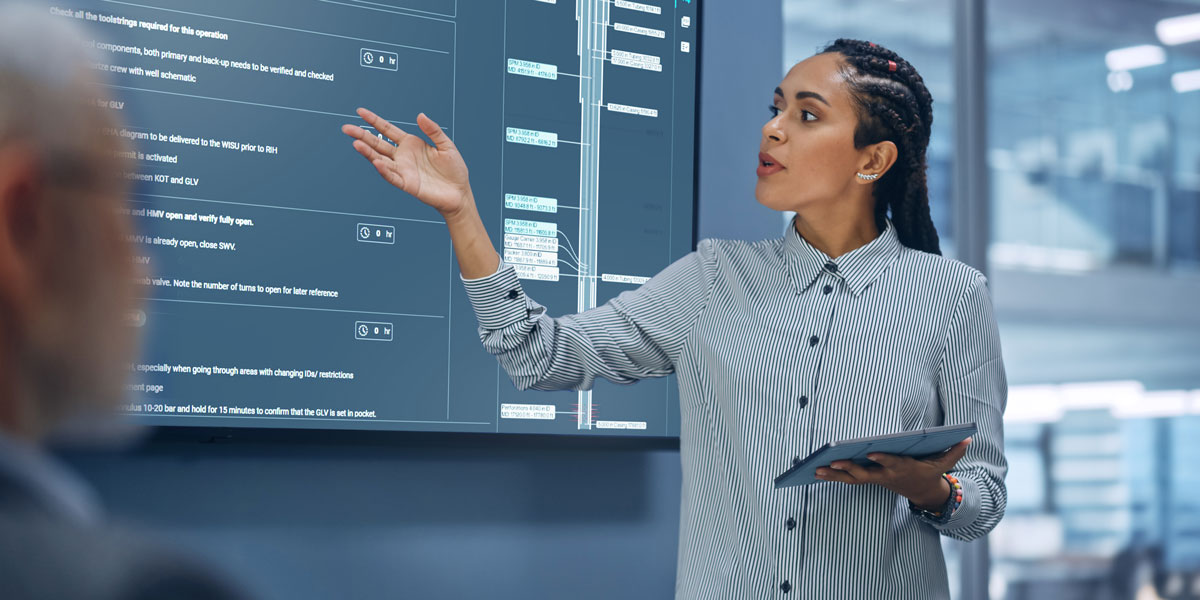
Learn how digital tools capture wireline activities, structure NPT events and support reporting. See what to validate before selecting a platform.
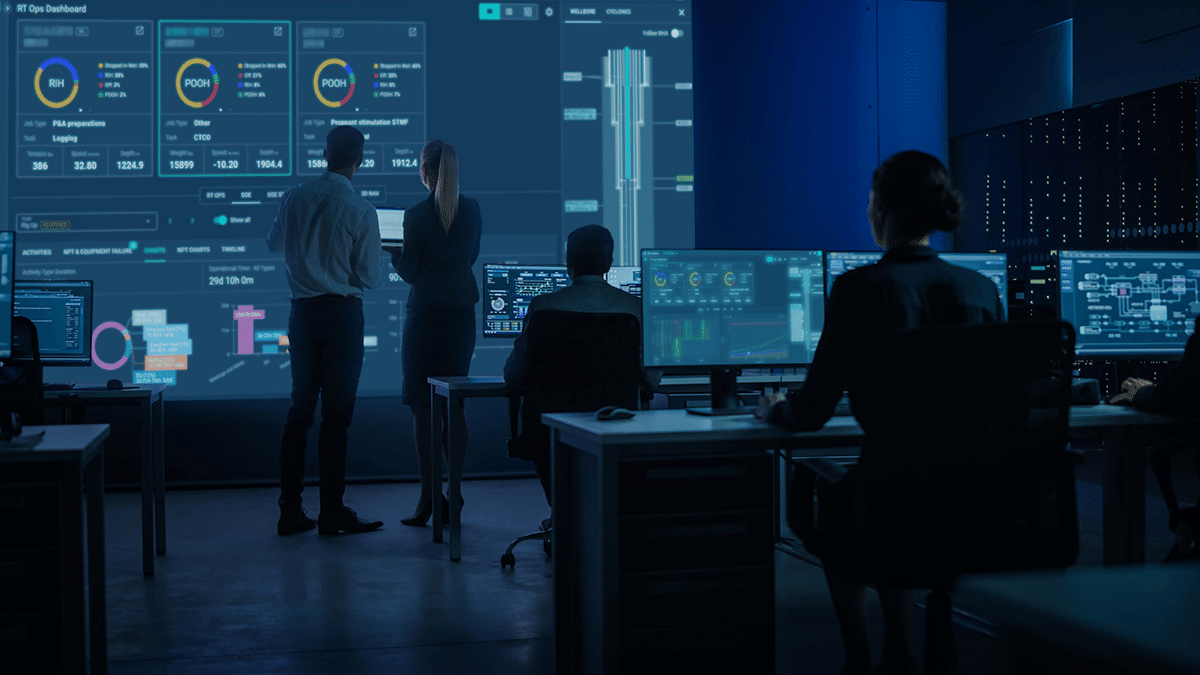
Explore how collaborative software supports P&A planning, coordination and execution records across teams, vendors and well campaigns.